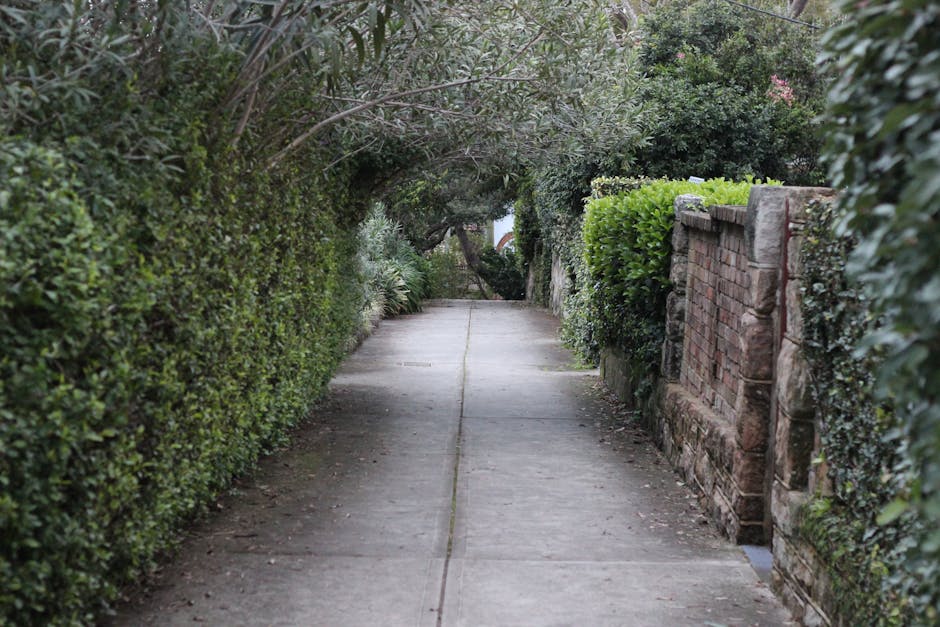
Access problems for Southgate garden maintenance on narrow plots
Narrow plots can make even straightforward garden upkeep feel awkward. A mower that would glide through a wider side return suddenly becomes a juggling act, waste bags pile up by the gate, and every visit takes a bit more planning than it should. If you are dealing with access problems for Southgate garden maintenance on narrow plots, the issue is usually not the garden itself, but how people, tools, and waste move through it. That difference matters more than most people realise.
This guide explains how access issues affect routine maintenance, what good practice looks like, and how to plan work so it stays safe, tidy, and efficient. Whether the problem is a slim passage, a shared walkway, a steep step, a delicate fence panel, or just nowhere sensible to put clippings, the right approach can save time and a fair amount of frustration. Let's face it, nobody wants to drag a full bin through a passage at 4pm in drizzle.
For a broader view of how garden care is organised across different property types, you may also find the services overview useful, along with the main garden maintenance service page for routine upkeep options.
- Quick takeaway: narrow access affects safety, timing, equipment choice, waste removal, and the final finish.
- Best result: prepare the access route first, then match the maintenance method to the space.
- Main risk: rushing through tight spaces often causes damage to gates, edging, paving, plants, or tools.
Table of Contents
- Why access problems on narrow plots matter
- How access planning works in practice
- Key benefits and practical advantages
- Who this is for and when it makes sense
- Step-by-step guidance
- Expert tips for better results
- Common mistakes to avoid
- Tools, resources and recommendations
- Law, compliance, standards and best practice
- Options, methods and comparison
- Case study or real-world example
- Practical checklist
- Conclusion
- Frequently asked questions
Why access problems for Southgate garden maintenance on narrow plots Matters
Access is not a side issue. It determines how a garden is reached, how long work takes, what tools can be used, and how much disruption is created while the job is underway. On narrow plots, every small obstacle gets amplified. A wheelbarrow that turns easily in an open lawn can become clumsy in a slim rear passage. A hedge trimmer with a long blade may be perfect for one job and completely awkward for another. Even where the actual maintenance tasks are simple, access can make them feel complicated.
In Southgate, as in many London neighbourhoods, gardens often sit behind terraced homes, extensions, side returns, or split-level layouts. That means maintenance work has to be thought through before anyone starts cutting, clearing, or carrying waste. Poor access can lead to more foot traffic through the house, extra trips, longer labour time, and a greater chance of scuffs, muddy floors, or broken planting. Nobody wants that on a rainy Tuesday morning.
Good access planning also protects the quality of the finished garden. When working space is tight, it is tempting to trim quickly and move on, but that often leaves uneven edges, missed clippings, and awkwardly placed waste piles. By contrast, a measured plan creates a neater result and reduces stress for everyone involved.
If your garden also needs heavier tidy-up work, it may be worth looking at garden clearance as part of the solution, especially where overgrowth, broken materials, or accumulated waste are making access even tighter.
Expert summary: On narrow plots, access is part of the job, not a separate admin detail. The best maintenance plan starts with the route in and out, then works backward to the tasks themselves.
How access problems for Southgate garden maintenance on narrow plots Works
Dealing with a narrow plot usually starts with a simple question: how does a person, tool, or waste bag get from the front of the property to the working area without causing damage or slowing everything down? That sounds basic, but it shapes almost every decision after that.
There are usually four parts to the access assessment:
- Entry route - through the house, a side passage, shared alley, rear gate, or sometimes a combination of these.
- Working width - the space available for manoeuvring tools, turning, pruning, sweeping, or collecting waste.
- Surface condition - paving, gravel, steps, slippery slabs, soft soil, narrow timber sleepers, or fragile edging.
- Waste exit - how cuttings, branches, turf, soil, and bags are removed without clogging the route.
Once those are clear, maintenance can be planned around the space rather than against it. In practice, that might mean using smaller hand tools instead of larger powered ones, breaking work into stages, or carrying waste out in lighter loads rather than bulky sacks. It may also mean deciding that some tasks, such as heavy pruning or larger-scale clearance, are better done before routine mowing and edging.
The best approach is often a bit boring, and that is a compliment. Boring in this context means tidy, predictable, low-risk. And honestly, that is what you want when you are squeezing equipment past a narrow fence post and a bin that seems to have grown overnight.
For jobs that involve more than simple tidying, the wider context of landscaping or landscape gardening may matter too, because access constraints often influence what can realistically be redesigned or improved.
Key Benefits and Practical Advantages
When access is handled well, the payoff is bigger than many homeowners expect. The obvious benefit is efficiency, but there are a few others that matter just as much.
- Less damage: Better routing reduces scraped walls, crushed plants, bent gate latches, and muddy footprints indoors.
- Cleaner finishes: Tools can be used properly instead of awkwardly, which usually means better edging, trimming, and mowing.
- Safer work: Narrow access often means more bending, lifting, and turning. A clear plan reduces strain and trip hazards.
- Faster turnaround: What takes ages when improvised can be done neatly when the route and sequence are known.
- Less disruption: Neighbours, family members, and occupants are less affected when the maintenance routine is streamlined.
There is also a quieter benefit: confidence. When the access route is understood, a contractor or homeowner can make realistic choices instead of hoping for the best. That tends to produce fewer surprises. In the real world, fewer surprises is a lovely thing.
For recurring visits, predictable access also helps with scheduling and planning. If the same tight side return, shed corner, or gate clearance is part of every visit, it becomes possible to build a maintenance routine that suits the plot rather than fighting it each time.
Who This Is For and When It Makes Sense
This issue is relevant to a wide mix of properties and people. You do not need an especially large garden for access to become annoying. In fact, the smaller and narrower the site, the more likely access becomes the main practical challenge.
It makes sense for:
- terraced homes with rear gardens reached through a house or side passage
- narrow London plots with limited turning space
- gardens with steps, split levels, or tight gate openings
- older properties where pathways and boundaries were not designed for modern equipment
- landlords preparing a property for new tenants
- homeowners who keep postponing maintenance because access feels too awkward
- clients needing seasonal tidy-ups, hedge work, or regular upkeep in a compact space
It also matters if your garden has one or two large features that constrict movement. A raised bed, a decking edge, or a mature shrub in the wrong place can turn a passable route into a bottleneck. If overgrowth has made the garden harder to reach than it should be, hedge trimming and, where necessary, tree lopping and removal may be part of restoring access.
To be fair, some people only notice the access issue once a job has already been booked and everyone is standing there thinking, "Right... how exactly are we getting that mower through?" Better to think it through early.
Step-by-Step Guidance
If you are planning work in a tight garden, use a methodical sequence. It saves time and helps avoid the classic rush-and-regret pattern.
- Measure the access route. Check gate width, passage width, step height, and any points where a tool or bin has to turn. Even rough measurements help.
- Identify the widest items. This usually includes mower decks, wheelbarrows, pruning bags, ladders, and waste sacks. If those cannot move safely, the whole plan changes.
- Look for hazards. Slippery paving, loose gravel, sharp edging, low branches, overhead cables, or awkwardly placed bins can all slow things down.
- Choose the right tools. Smaller, lighter equipment often works better in narrow plots than one large machine. Hand tools can be slower, but sometimes that is the smarter choice.
- Plan the sequence. Clear the route first, then do the main maintenance, and only then tidy edges and remove waste. If you mow first and then haul branches through the area, you often undo your own work.
- Protect surfaces. Use care around paving, interior floors, and delicate planting. A simple protective sheet or careful carry route can prevent unnecessary mess.
- Remove waste in stages. Do not wait until the end if waste is building up and blocking movement. Little-and-often removal is usually easier in narrow spaces.
- Finish with a reset. Sweep, inspect gates, check for scuffs, and make sure nothing has been left obstructing the route for the next visit.
A practical example: if a side passage is only just wide enough for a barrow, it may be better to bag clippings as you go rather than creating one giant pile at the end. It sounds a touch old-fashioned, but it works. And it saves that awkward shuffle where everyone silently tries not to clip the wall.
Expert Tips for Better Results
There are a few habits that consistently improve results on narrow plots. These are the small details that separate a decent visit from a smooth one.
- Work from the access point outward. Clear the route before tackling the furthest corners, especially where tools and bags will need to travel back and forth.
- Use compact equipment where possible. A smaller mower or trimmer can be more practical than a heavy machine that needs repeated repositioning.
- Keep a tidy transfer zone. A small staging area near the gate or exit point helps prevent clippings from spreading back across the garden.
- Avoid overloading bags. Heavy bags are harder to carry through narrow spaces and more likely to tear or snag.
- Check the route before every visit. A gate may have swollen in wet weather, or a new planter may have reduced the usable width. Things change.
- Trim with access in mind. If shrubs are leaning into a passage, cut them back a little more than you think at first. Future you will be grateful.
One thing people often underestimate is the emotional effect of cluttered access. When the route feels cramped and uncertain, the job itself seems bigger than it is. A clear plan reduces that pressure. That is not fluffy talk, by the way; it genuinely makes work smoother.
Where maintenance is part of a broader garden redesign, it can help to combine the routine work with planned improvements. In some cases, the right decking layout or boundary adjustment can make future upkeep much simpler. If that sounds like your situation, have a look at the thinking behind decking services as a related option.
Common Mistakes to Avoid
Narrow access work goes wrong in fairly predictable ways. The good news? Most of them are avoidable.
- Assuming standard equipment will fit. A mower that works in one garden may be completely unsuitable in another with tighter access.
- Ignoring waste handling. Plenty of jobs start well and then become messy because there is no clear plan for moving cuttings out.
- Trying to do everything in one pass. Tight plots often need a more staged approach. Rushing through the whole garden at once can create avoidable damage.
- Forgetting weather effects. Wet paving, swollen gates, and muddy turns can make access noticeably worse.
- Blocking the escape route. It sounds obvious, but a bag pile in the wrong place can trap you in your own work area. Slightly embarrassing, to be honest.
- Underestimating pruning growth. Overhanging hedges and shrubs often steal precious width from already narrow paths.
Another common issue is failing to explain the access route clearly before the visit. If the only sensible route is through the side of the house, say so. If the gate sticks, mention that too. That kind of practical detail really helps.
Tools, Resources and Recommendations
You do not need flashy gear to maintain a narrow plot well. In fact, simpler tools are often the best choice. The right setup is usually compact, manageable, and easy to carry through a tight route without drama.
| Tool or approach | Best use on narrow plots | Why it helps |
|---|---|---|
| Compact mower | Small lawns and awkward turning areas | Easy to manoeuvre and less likely to catch on tight edges |
| Hand shears and secateurs | Detailed trimming, border work, awkward access points | Precise, quiet, and less bulky than powered alternatives |
| Lightweight bags or smaller containers | Cuttings and green waste removal | Safer to carry through narrow passages and less likely to snag |
| Protective sheets or covers | Indoors-to-garden routes and delicate surfaces | Helps reduce mess and scuffing along the access path |
| Long-handled but compact tools | Reach work without bulky movement | Extends reach without requiring extra working width |
For many homeowners, the most useful resource is not a tool at all but a proper maintenance plan. If access is awkward every week, your upkeep schedule should reflect that. Sometimes that means smaller, more regular visits rather than occasional heavy jobs. A steady rhythm is kinder to tight gardens, and it often looks better too.
If you are comparing ongoing care options, the lawn mowing service and broader garden maintenance support are relevant starting points for routine work in constrained spaces.
Law, Compliance, Standards and Best Practice
Access issues in garden maintenance are not usually about complex regulation, but safety and care still matter. In the UK, practical best practice is to avoid unnecessary risk, use equipment appropriately, and prevent damage to property or people. That means careful lifting, sensible routing, and clear communication about site conditions.
Where work involves ladders, sharp tools, powered equipment, or overhead pruning, it is wise to follow normal health and safety expectations. That does not mean making the job feel overly formal. It means checking the ground, keeping routes clear, using the right protective gear, and not forcing equipment through a gap that is plainly too tight. Common sense, really, but common sense with a checklist.
For contractors and property managers, it is also worth paying attention to access-related insurance and site safety. If a narrow route increases the chance of scuffed walls, broken paving, or accidental trips, that should be recognised before work begins. A good provider will talk through those risks rather than pretending they do not exist. If you want to understand how service standards are approached, the company's health and safety policy and insurance and safety information are sensible places to review.
Accessibility also matters in a broader sense. Not every access issue is about width. Some customers have mobility concerns, and some routes are simply unsafe to navigate without assistance. If that applies, the accessibility statement can help set expectations around how the business thinks about usability and access.
Options, Methods, or Comparison Table
There is no single correct method for narrow-plot maintenance. The best choice depends on the width of the access route, the amount of waste, the type of planting, and how often the garden is serviced. A quick comparison can help.
| Method | Best for | Pros | Trade-offs |
|---|---|---|---|
| Small, regular maintenance visits | Gardens that need frequent light upkeep | Easier access management, less build-up, quicker turnaround | Requires consistency |
| Single larger tidy-up | Neglected plots or one-off clearances | Big visible improvement in one go | More waste, more carrying, more access strain |
| Hand-tool-led approach | Very tight or delicate spaces | Precise, quiet, adaptable | Slower on larger areas |
| Powered-equipment-led approach | Clearer routes and broader working space | Efficient for lawns and heavier growth | May be awkward or unsuitable on very narrow plots |
If the plot is more than just narrow and is also overgrown or cluttered, a targeted clearance phase may be the smarter first step before regular maintenance resumes. That way the access route improves and future work becomes easier. Simple, but effective.
Case Study or Real-World Example
Here is a realistic example. A small rear garden behind a Southgate terrace had a decent lawn, but the access ran through a slim side passage with two awkward turns. The owner had put off regular maintenance because every cut seemed to create more mess than progress. Clippings were building up near the back gate, and the hedge had started pressing into the route, making the passage feel even tighter.
The first step was not mowing. It was clearing the route. The hedge was cut back enough to restore movement, loose pots were moved out of the way, and waste bags were staged closer to the exit point. Once that was done, the lawn could be tackled in smaller sections with lighter equipment. The whole job became calmer immediately. Less carrying, fewer trips, less swearing under the breath. Everyone knows that feeling.
The difference was not magical. It was practical. The access problem had been treated as part of the maintenance plan, not as an annoyance to work around. That small shift improved safety, saved time, and produced a cleaner finish. The homeowner then moved to a more regular schedule so the route would not choke up again.
In cases like this, the right combination of routine care and occasional structural improvement can make a big difference. If the garden layout itself is contributing to the issue, a broader landscaping review may be worth considering.
Practical Checklist
Use this checklist before any maintenance visit on a narrow plot. It is simple, but it catches the most common headaches.
- Check gate width and passage width
- Look for steps, slopes, or slippery surfaces
- Remove bins, pots, toys, and loose obstacles
- Confirm the route for carrying waste out
- Trim back overhanging growth that blocks movement
- Choose compact tools where needed
- Plan where cuttings will be staged temporarily
- Protect indoor floors if access runs through the house
- Work in stages if the route is especially tight
- Leave the access path tidy at the end
Best practice tip: If you have to wonder whether a tool will fit, measure first. Guessing is not a strategy. It just feels like one until the gate says no.
Get a free quote today and see how much you can save.
Conclusion
Access problems for narrow garden plots are not unusual, and they are not a sign that the garden is difficult or badly designed. They are simply part of the reality of maintaining compact spaces in places like Southgate, where side passages, rear access, and tight boundaries are common. The good news is that access can be managed well.
When you plan the route first, choose tools that suit the space, and treat waste handling as part of the task, maintenance becomes much more manageable. The work is safer, the finish is cleaner, and the whole process feels less like a struggle. That matters whether you are keeping on top of a small lawn or trying to bring a cluttered plot back under control.
If you are looking at a narrow garden and thinking, "This looks awkward," that is fair enough. But awkward is not the same as impossible. With a sensible plan, even the tightest access can be worked through properly, and the garden can start breathing again.
Frequently Asked Questions
What are the main access problems for narrow garden plots?
The most common problems are narrow gates, tight side passages, awkward turns, steps, slippery surfaces, and limited space for carrying waste or turning equipment.
Can garden maintenance still be done if the only access is through the house?
Yes, in many cases it can. The key is protecting floors, using clean carry routes, and planning waste removal so the route stays tidy and safe.
What tools work best for maintenance on a narrow plot?
Compact mowers, hand shears, secateurs, smaller waste bags, and lightweight carrying tools usually work better than bulky equipment that is hard to manoeuvre.
Is it better to do one big clearance or smaller regular visits?
It depends on the garden, but smaller regular visits are often easier on narrow plots because they prevent waste and growth from building up and blocking the access route.
How do I know if my gate or passage is too tight for equipment?
Measure the widest parts of the route and compare them with the size of the equipment, including handles and turning space. If it feels like a squeeze, it probably is.
Will narrow access make garden maintenance more expensive?
It can, because tight access may take more time and require smaller tools or extra handling. That said, good planning can reduce the extra effort quite a lot.
What should I do before a maintenance visit on a narrow plot?
Clear obstacles, check the route, unlock gates, move bins or pots, and mention any awkward spots in advance. A little preparation saves a lot of hassle later.
Can overgrown hedges make access worse?
Definitely. Hedges and shrubs can reduce usable width and make carrying tools or waste much more difficult, so trimming them back often helps restore practical access.
How do contractors usually handle waste on tight sites?
They often remove waste in smaller loads, stage bags closer to the exit point, and keep the access route clear throughout the job rather than leaving all removal until the end.
What if the access route is unsafe or badly damaged?
If the route is unstable, slippery, or damaged, it should be addressed before maintenance begins. Safety comes first, even if that means postponing part of the work.
Is narrow-plot garden maintenance suitable for a standard lawn mowing service?
Sometimes yes, but only if the mower and access route are a good fit. In other cases, a broader garden maintenance approach is more practical than mowing alone.
Where can I learn more about the service options available?
The best place to start is the services overview, then move to the most relevant pages such as garden maintenance or lawn mowing depending on what your plot needs.